Te Auaha Pito Mata Awards
Te Auaha Pito Mata is Community Research’s award event celebrating the impact of emerging community researchers in Aotearoa.
They profile the depth of research being conducted in the Tangata Whenua, Community and Voluntary Sector by shining a light on rangatahi and researchers in the first 1–8 years of their careers, whose work uplifts communities and strengthens knowledge for positive change.
Researchers can be nominated for four awards categories:
- Tangata Whenua community researcher
- Ethnic community researcher
- Pasifika community researcher
- Community researcher
Plus:
- The ‘Billie Award,’ which is bestowed in recognition of strengths-based research or evaluation
Find out more about the Billie Award
The Billies are awarded to honour the memory of Billie Foreman (1931-2012), a relentless practitioner of strength-based approaches in all she did, in a life committed to serving others and social justice for all.
The 2026 Awards Event
The 2026 Awards ceremony was held on 2 June 2026 at Government House, Wellington. Awards were presented by Her Excellency The Right Honourable Dame Cindy Kiro GNZM, QSO, Governor-General of New Zealand.
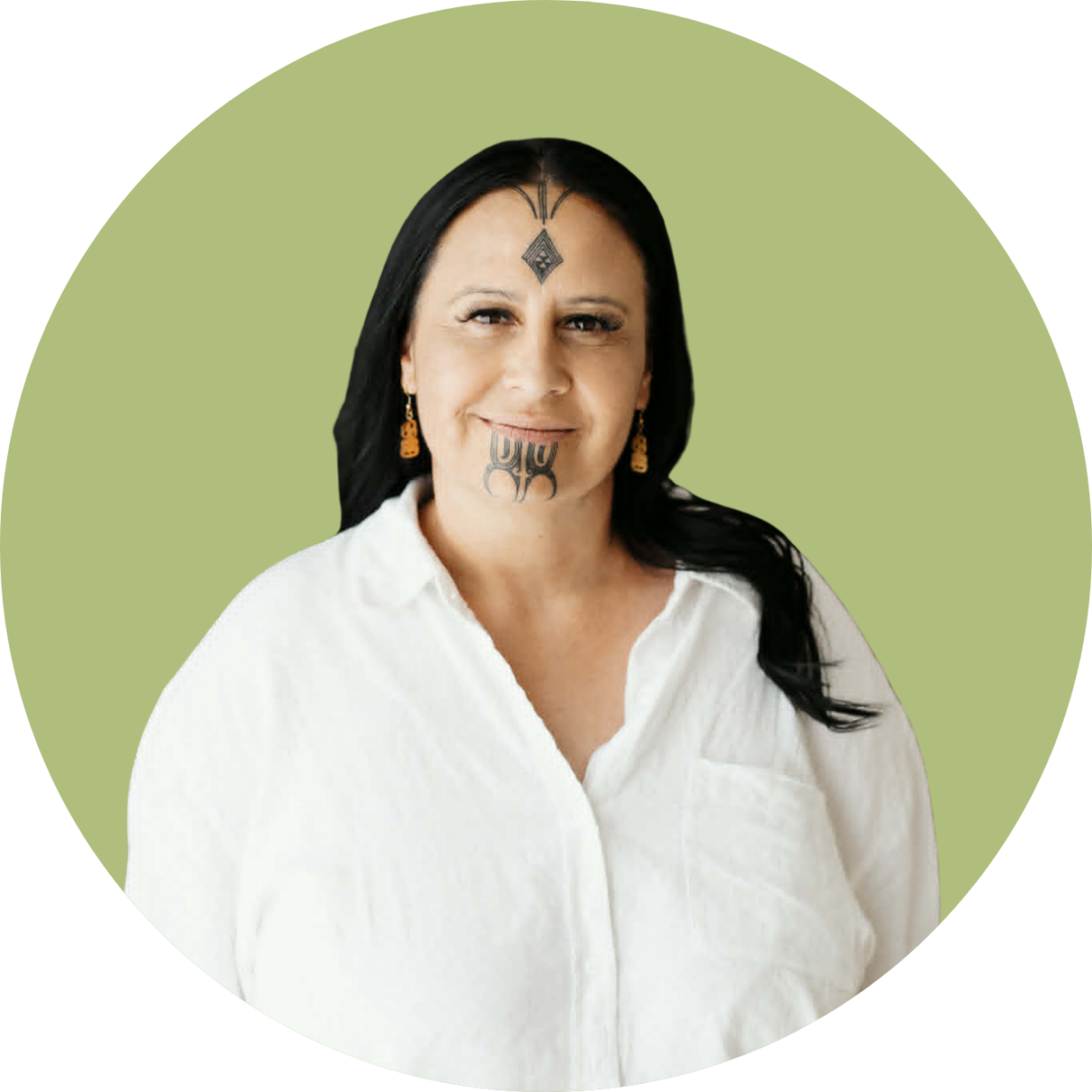
Paula Ormsby
Tīhei Wāhine Ora: Healing Journeys of Wāhine from Gang Whānau
Citation
Paula Ormsby is recognised for research that is powerful, deeply significant, and grounded in long-standing relationships of trust and accountability with wāhine from gang whānau. This work demonstrates whanaungatanga through relationships that extend well beyond the life of the project, and through culturally grounded research practice within PouHine wānanga. Rangatiratanga is evident in the way community governance, participant feedback, and collective analysis shape the work, while manaakitanga is lived through reciprocity, practical support, and a commitment to healing as well as research. Kotahitanga is reflected in findings that strengthen the case for accessible, community-led dissemination and for resourcing Indigenous-led solutions. The judges particularly noted this research’s uncompromising rejection of deficit framing, positioning wāhine as knowledge holders and lived experience as expertise.
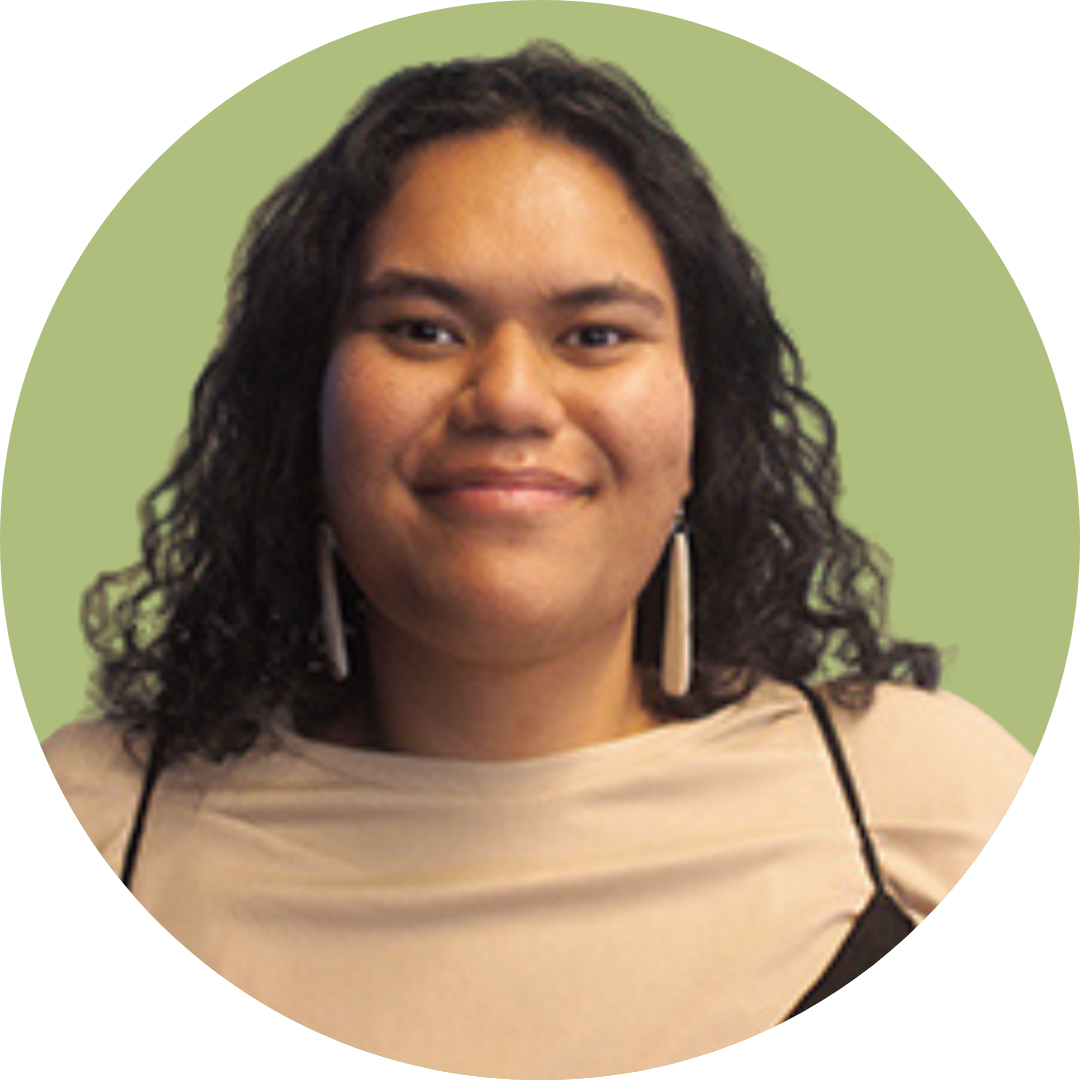
Atelaite Mapa
LALAGA Ōtara Leaders Knowledge Exchange
Citation
Atelaite Mapa is recognised for LALAGA ŌTARA LEADERS, a project that places rangatahi voice, Indigenous knowledge, and creative practice at the centre of community research. Through this kaupapa, Atelaite and the Lalaga team position rangatahi as knowledge holders, ensuring that young people shape both the process and the way their stories are shared. The work is built on whanaungatanga through talanoa, creative collaboration, and sustained relationships. Rangatiratanga is reflected in youth co-design and narrative sovereignty, while manaakitanga is evident in the care taken to produce outputs that are accessible, relevant, and meaningful to communities as well as wider audiences. Kotahitanga is expressed in the weaving of individual stories into a collective voice, showing how community research can be both analytically strong and grounded in Indigenous storytelling traditions. This is a strengths-based project that centres Indigenous knowledge, cultural intelligence, and community aspirations as drivers of wellbeing and systems change.
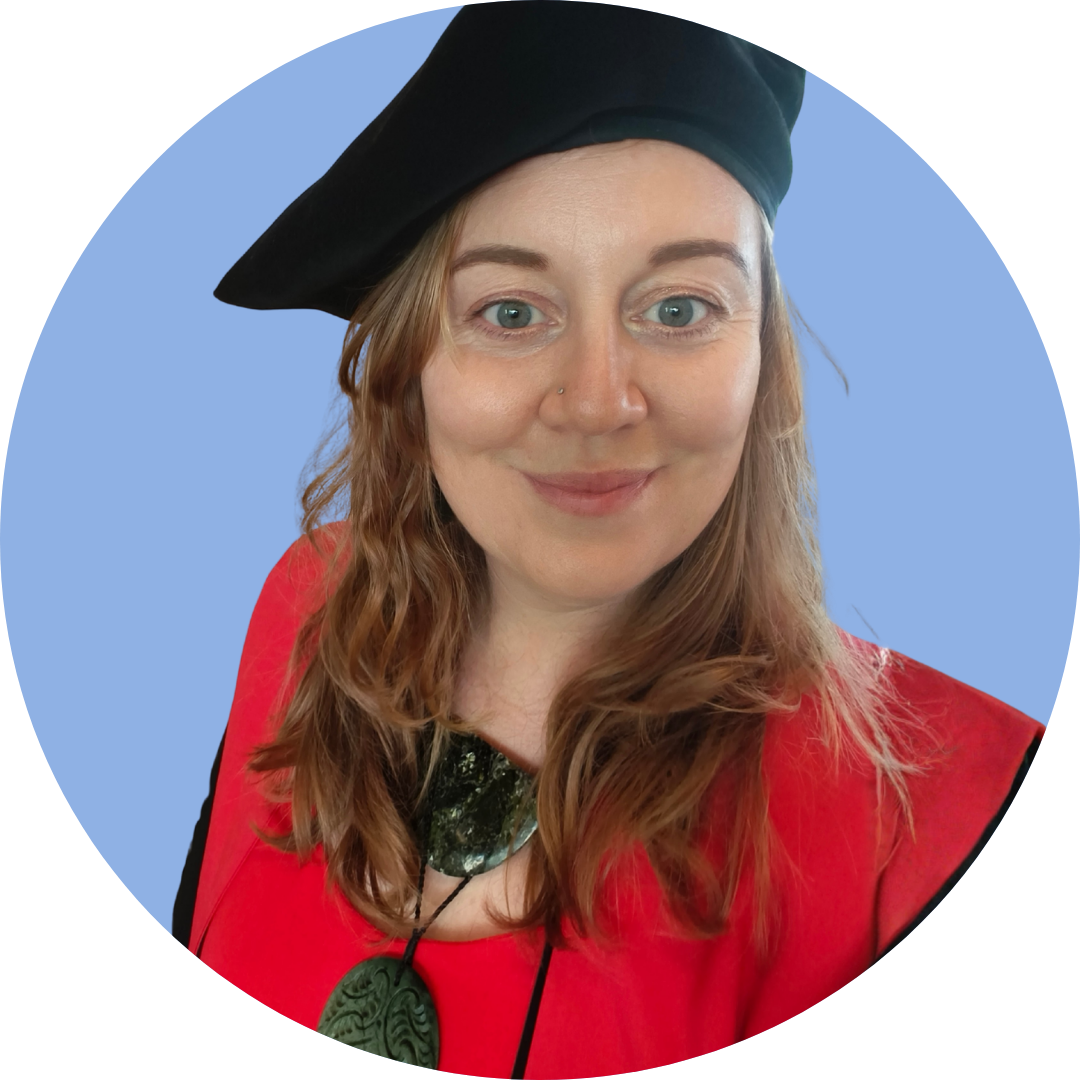
Ria Te Uira Holmes
Citation
Ria Te Uira Holmes is recognised for doctoral research is rigorous, courageous, and deeply grounded in kaupapa Māori. This work weaves the five whanonga pono through its purpose, methodology, and ethics, and centres the lived experience of Māori workers within labour and legal frameworks. Through careful, principled relationships, strong relational ethics, and a clear commitment to Māori data sovereignty, the research names one of the most persistent inequities in Aotearoa’s public sector: the unrecognised and unpaid cultural labour of Māori workers, and the absence of enforceable Te Tiriti obligations in employment relations. Importantly, this is strengths-based research. It affirms tikanga as first law, recognises Māori expertise, and offers a pathway for change that has the potential to improve the conditions under which Māori work, contribute, and lead across Aotearoa.
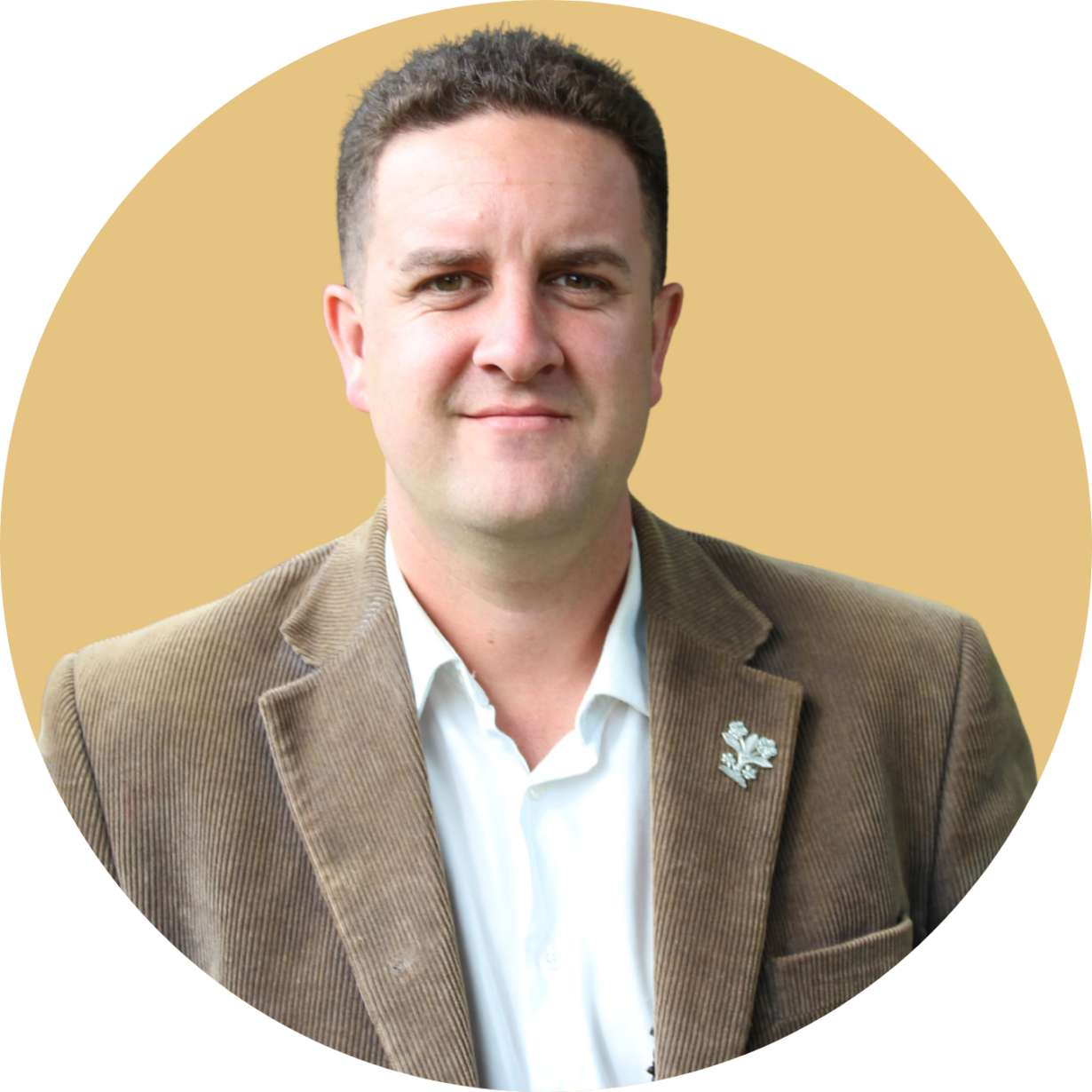
Joseph Tutonga Houghton
Citation
Joseph Bruce Tutonga Houghton is recognised for doctoral research grounded in Pacific values, relational practice, and community impact. Guided by tīvaevae and talanoa, this work centres the voices of Pacific students, families, and educators in a Christchurch secondary school, creating space for trust, connection, and shared storytelling. The research reflects rangatiratanga by enabling Pacific learners and whānau to articulate their own experiences, strengths, and aspirations, while manaakitanga is evident in the care taken to protect participants’ wellbeing, dignity, and cultural identity throughout the process. It also speaks to kotahitanga, highlighting the shared responsibility of students, families, educators, and institutions to improve outcomes for Pacific learners. This is strengths-based research that recognises Pacific knowledge, identity, and relational ways of knowing as foundations for change.
Corrina Thompson
Citation
Corrina Thompson is recognised for research that centres lived experience as expert knowledge and is already demonstrating tangible community impact. Building from a completed Master’s thesis and current collaborative research with Pillars and Koi Tū, this work brings forward the voices of people affected by the justice system and translates them into practical recommendations for change. A key recommendation — the proposed Kaiwhatu Kura Whānau role within the criminal District Court — has emerged directly from lived experience and is already gaining momentum. The judges commended the trust-based recruitment, kanohi ki te kanohi engagement, and trauma-informed, mana-enhancing approach that shaped this research. Its findings have real relevance for policy, community services, and justice reform, while also highlighting the capability of rangatahi and whānau to shape transformative, community-led solutions.
Citation
Taylor Le Cui is recognised for research that demonstrates a strong commitment to community impact, inclusivity, and the values of the Community Research Code of Practice. While Taylor submitted a broader body of work, the judging panel focused on a single paper examining the lived experiences of Chinese queer international students in Aotearoa. This research brings forward experiences of heteronormative microaggressions, tokenism, and structural exclusion, generating knowledge that can help improve inclusion in tertiary education and workplaces. Whanaungatanga sits at the heart of the work through deep engagement that centres voices often rendered invisible. Rangatiratanga is reflected in the way participants define their own identities and experiences, while manaakitanga is evident in the ethical, empathetic approach taken alongside communities facing discrimination. This is also strengths-based research, highlighting resilience, identity, and community knowledge rather than deficit narratives.

Our 2026 Guest Judges
Community Research is honoured to have had such an amazing cohort of guest judges join us for the 2026 awards. We’re grateful to each of our judges for offering their time, expertise, and whakaaro to support and uplift emerging researchers across Aotearoa.
Tangata Whenua Category Judges
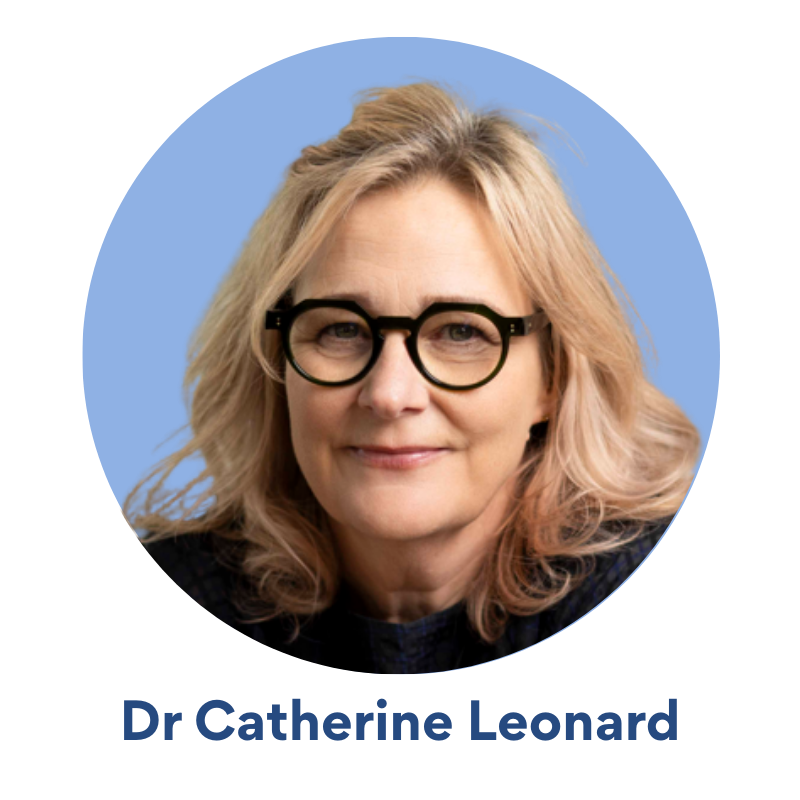
Dr Catherine Leonard (Kāi Tahu) is the Research Director at Ihi Research, a Māori-owned research and evaluation organisation working alongside communities, iwi and Māori service providers across Aotearoa New Zealand. Catherine specialises in kaupapa Māori and whānau-centred research, with a focus on generating evidence that is practical, credible, and useful for community decision-making, commissioning, and service improvement.
Her work spans mixed-methods evaluation, social impact measurement (including SROI), and community-led approaches that centre lived experience, equity, and Te Tiriti-aligned outcomes.
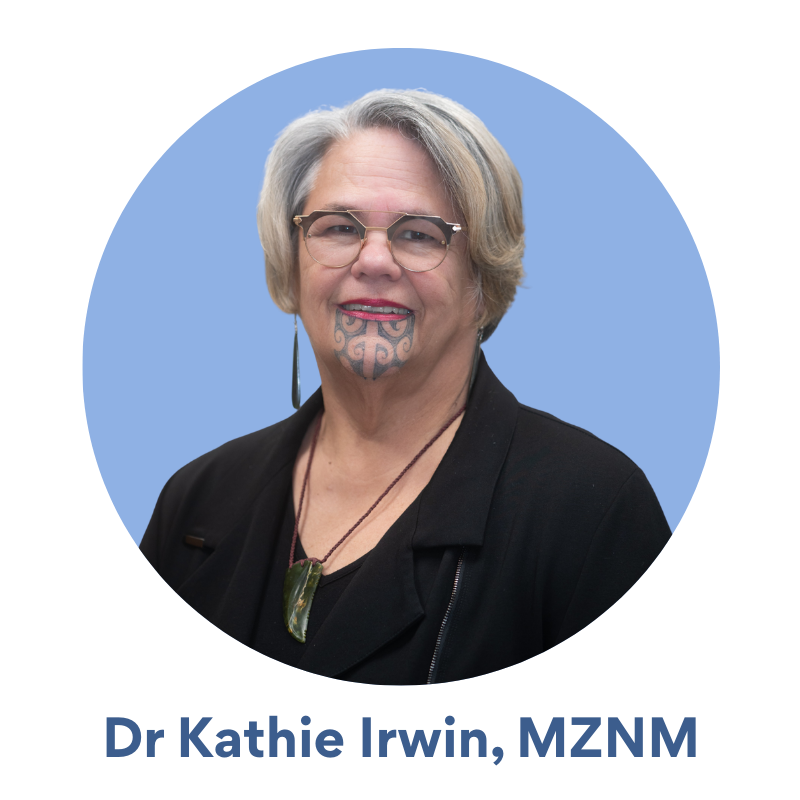
Dr Kathie Irwin is a third generation Māori educationist. Public service and social justice are deeply embedded in her bloodlines. She spent 20 years as an academic and about 20 years working as a public servant and in the NGO Sector.
Kathie’s passion inspires her to contribute to nation building, in innovative and creative ways, that are framed by Sir Apirana Ngata’s whakatauāki (proverb) “E tipu, e rea”. This proverb speaks to the possibilities of Treaty based models of change that create authentic transformation.
In June 2020 she founded Kathie Irwin and Associates, Specialists in Education, Research and Training. Kathie serves as CEO.
Pasifika Category Judges
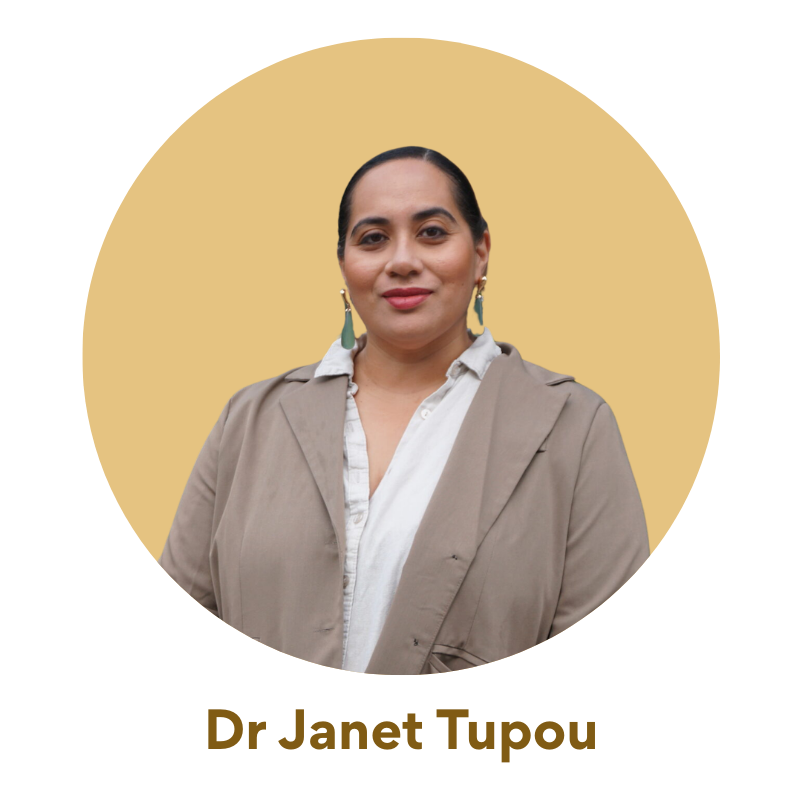
Dr Janet Tupou (Tongan) is a Lecturer in the School of Communication Studies (SCS). As a graduate of the Bachelor of Communication Studies, she went on to complete a BCS Honours and Masters (first class) and her PhD all at Auckland University of Technology. Janet has been involved in a wide range of research projects centred around emotional labour, Tongan cultural identity and community consultation efforts in Auckland. She is also interested in intercultural communication and particularly the representation of women in Tongan spaces and Pasifika cultures. She also conducts research and evaluation for government agencies and NGO’s.
She teaches courses in the critical media department, specialising in Intercultural communication and sustainable development communication.
Janet also supervises post graduate students, is a member of the Kaipatiki Local Board and volunteers in the Tongan community on a regular basis.
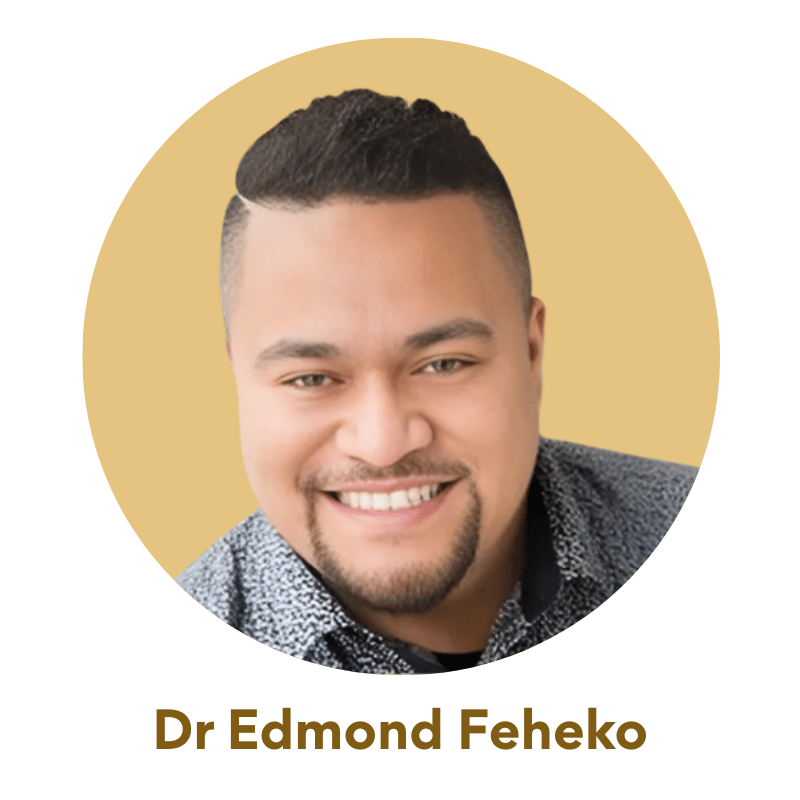
Dr Edmond Fehoko is a Senior Lecturer in the Department of Human Nutrition at the University of Otago. His interdisciplinary expertise includes criminology, sociology, cultural studies, mental health and addiction, reproductive health, and public health. Dr Fehoko’s work focuses on Pacific and Indigenous health, emphasizing culturally grounded, community-led research.
He has extensive experience in designing, developing, and evaluating Pacific and Indigenous health interventions. Dr Fehoko is recognized for his leadership in qualitative and Pacific research methods. He is currently funded by the Health Research Council of New Zealand to lead a programme on Pacific male perspectives on digital wellbeing and is a Co-Principal Investigator on a project exploring Pacific experiences of infertility and assisted reproductive technologies.
Before joining the University of Otago, Dr Fehoko held roles at the University of Auckland, Manukau Institute of Technology, and Auckland University of Technology. He has received several awards, including the Prime Minister’s Pacific Youth Award (2013), the Sunpix Pacific Peoples Education Award (2019), and multiple Health Research Council awards.
Ethnic Category Judges
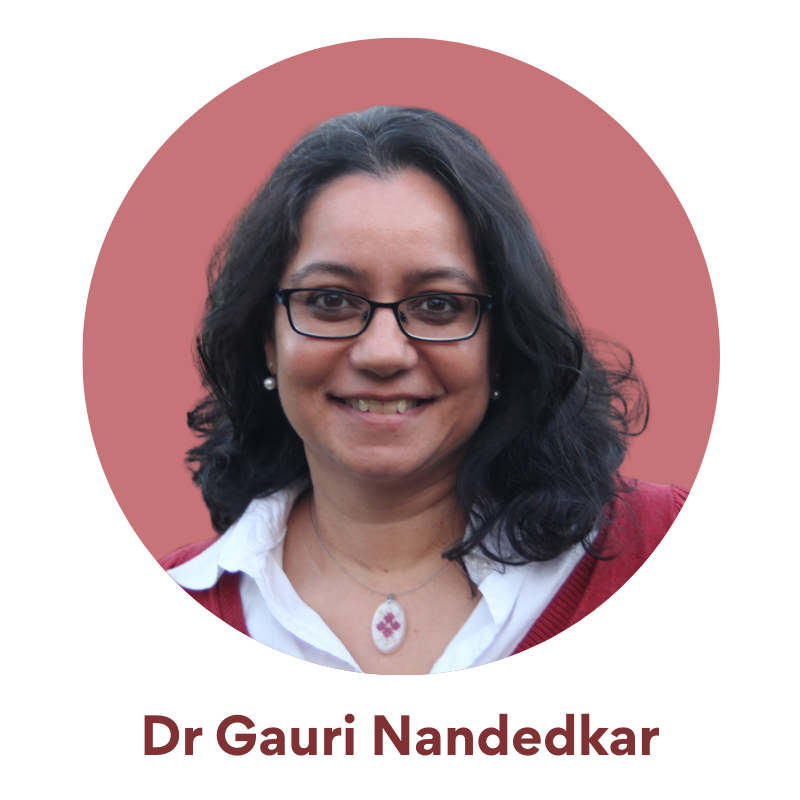
Dr Gauri Nandedkar has extensive research and evaluation experience in Aotearoa New Zealand and overseas in housing, race and ethnicity, positive ageing and empowerment. She enjoys working in and with organisations that align with her core values of social justice, empathy and understanding, and representation and inclusion of diverse voices. She has worked with both mental health and women’s organisations that support ethnic communities in their health and wellbeing.
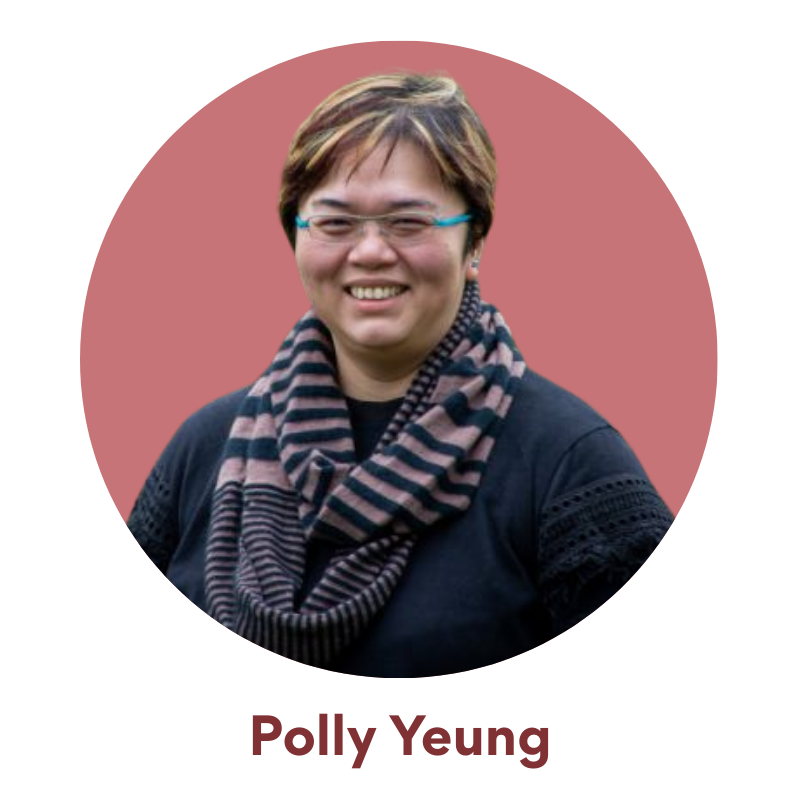
Associate Professor Polly Yeung, originally from Hong Kong, is a distinguished scholar in the field of ageing and currently serves as Deputy Head of School in the School of Social Work at Massey University, Aotearoa New Zealand, where she has worked since 2010. Having completed her bachelor’s and master’s degrees in New Zealand and her PhD in Australia, she has built an academic career dedicated to understanding the complexities of ageing and the role of social work interventions in supporting older people, their whānau, and families. With extensive experience in disability and community development, her research spans quality of life in later years, elder abuse, caregiving, and cultural diversity.
She has published widely in high-impact journals and been involved with prestigious funded projects focused on health and wellbeing among older people and vulnerable communities, making significant contributions to both scholarship and practice in social work.
General Category Judges
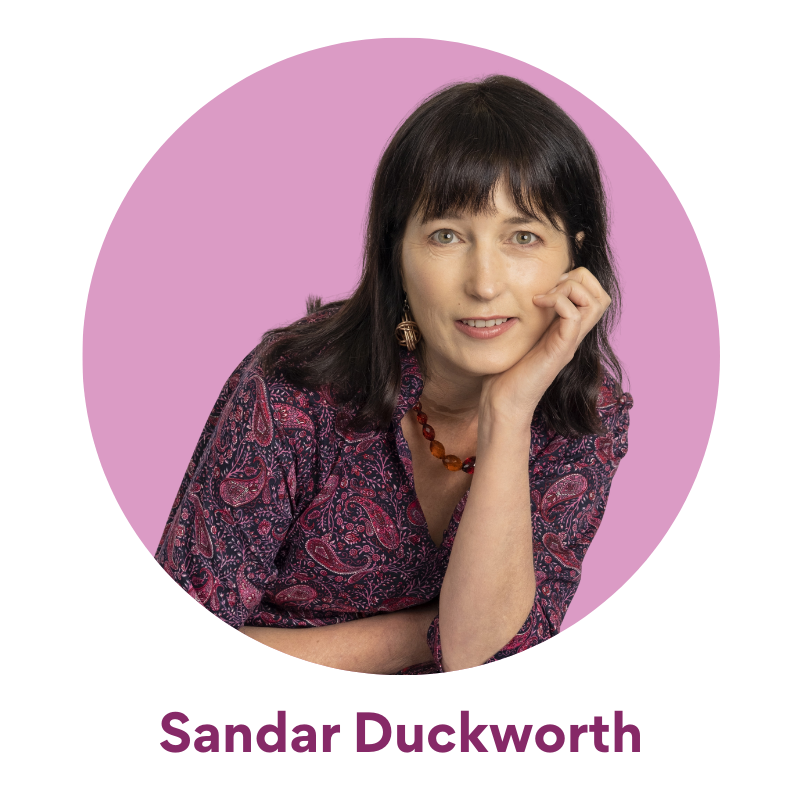
Sandar Duckworth is a co-founder of Litmus and has more than 20 years’ experience working alongside communities, and government agencies to understand what drives meaningful and lasting change.
She specialises in impact measurement and management, supporting organisations to focus on what matters most for the people and communities they serve. Her work helps organisations adapt and strengthen their services, make informed decisions, and clearly demonstrate their value to funders and partners.
Sandar is a member of the Aotearoa New Zealand Evaluation Association and the American Evaluation Association (AEA), where she serves as the External Relations Co-Chair for the Social Finance group. She is also a trustee of Ethnic Research Aotearoa.
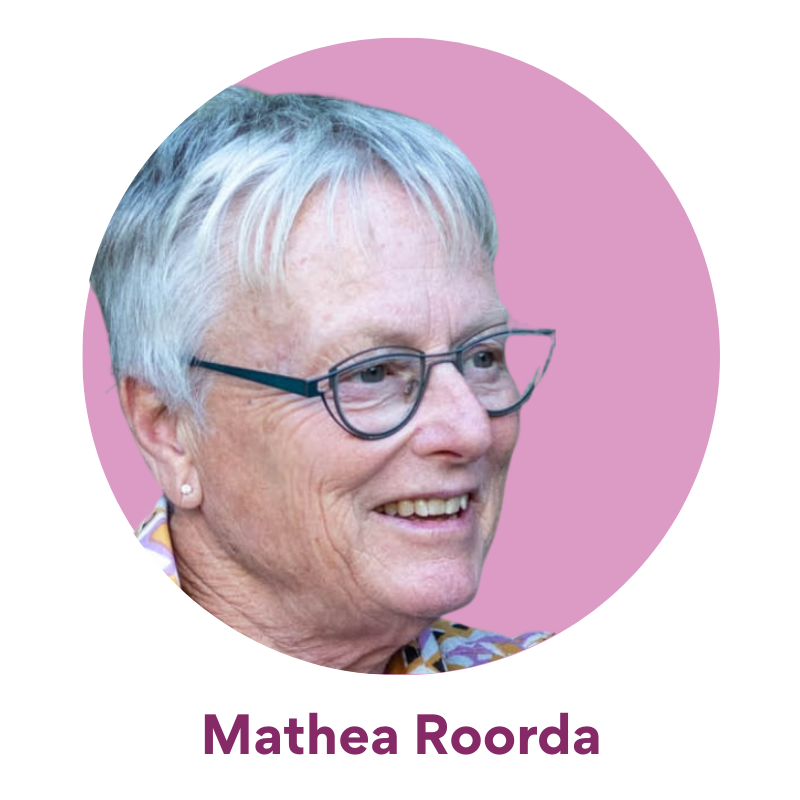
Mathea Roorda has had a long involvement in evaluation that has spanned many sectors and collaborations in Aotearoa, the Pacific and Australia. She has Post Grad. Diploma in Social Sector Evaluation Research from Massey University and a PhD in evaluation from the University of Melbourne.
Mathea has previously held the position of Chair of the Awards Working Group for the Australian Evaluation Society and is also part of a team that won a ‘Best Evaluation Study’ award for a two-year evaluation of the Recognised Seasonal Employer (RSE) Policy.

2026 Supporters & Sponsors
We are grateful to those who have partnered with us to celebrate new and emerging community researchers at the Te Auaha Pito Mata 2026 Awards.

Past Award Winners
2023 Award Winners

Winner of the Tangata Whenua Community Researcher Award
Petar Druskovich
Building a freshwater monitoring toolkit to give effect to Ngaa Rauru values
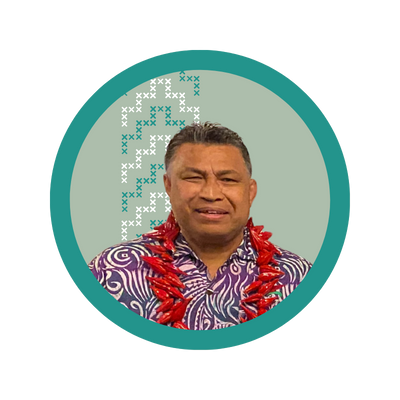
Winner of the Pasifika Community Researcher Award
Tufulasi Taleni
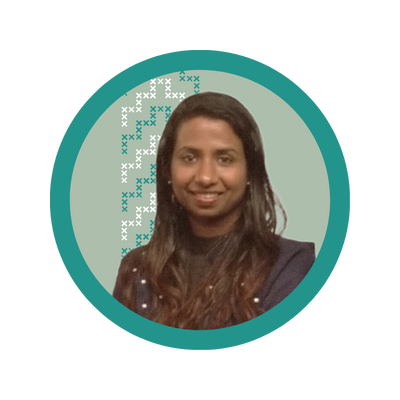
Winner of the Ethnic and Migrant Community Researcher Award
Pooja Jayan
Community-led culture-centered prevention of family violence and sexual violence
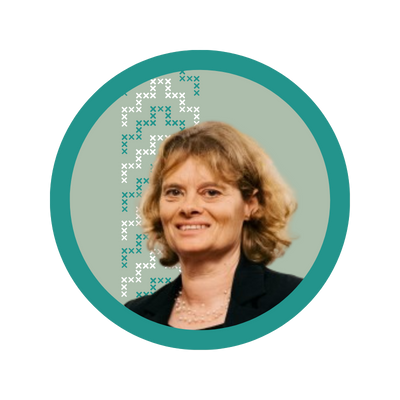
Winner of the Community Researcher or Evaluator Award
Leonie King
Joint Winner of the Billie Award for Strengths Based Community Research or Evaluation
Ayesha Qureshi
Strengths-based resilience intervention for informal carers of stroke survivors
Joint Winner of the Billie Award for Strengths Based Community Research or Evaluation
Joe Wilson
Waikato Wellbeing Project’s Lots of Little Fires video storytelling